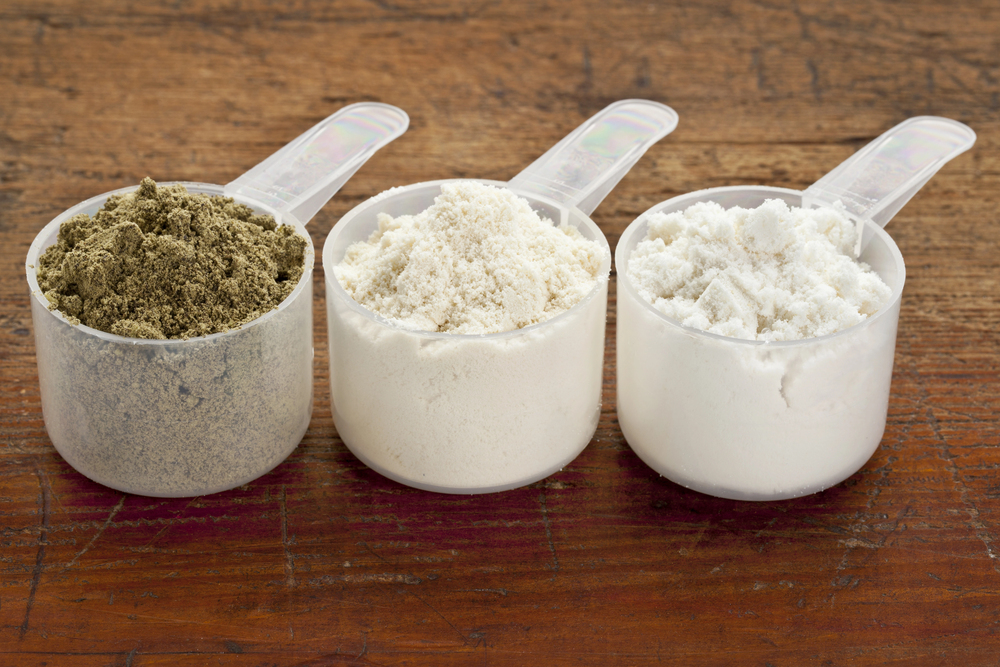
Protein powder is one of the most widely used supplements for building muscle, supporting recovery, and boosting daily nutrition—yet millions of people still make simple mistakes that limit their results. Understanding these errors and applying the opposite best practices can dramatically improve performance, digestion, and long-term progress. This guide breaks down the seven most common protein powder mistakes, why they happen, and exactly what to do instead.
1. Mistake: Choosing the Wrong Type of Protein Powder
Why It Happens
Many people assume all protein powders are interchangeable. With flashy marketing and dozens of formulas—whey concentrate, whey isolate, casein, soy, pea, rice, blends, and “mass gainers”—the variety becomes overwhelming. Without understanding digestion speed, lactose content, amino acid profiles, or dietary compatibility, users often make random selections.
Best Practice: Match Protein Type to Your Goal
Choose based on your needs:
-
For fast recovery: Whey isolate for fast absorption and higher purity.
-
For long-lasting satiety: Casein, digested slower and ideal before bed.
-
For lactose intolerance: Plant-based options such as pea, hemp, or soy.
-
For muscle gain with limited calories: Choose isolate or plant blends, not high-calorie “mass” formulas.
When the protein type matches your fitness or dietary goal, results improve dramatically.
2. Mistake: Using Too Much or Too Little Protein
Why It Happens
Protein intake recommendations vary among trainers, influencers, and online calculators. People often guess their daily protein amount or rely solely on scoops without tracking overall intake. This leads to ineffective dosing—either consuming far more than necessary or not enough to stimulate muscle repair.
Best Practice: Calculate Your Optimal Intake
Aim for 0.7–1.0 grams of protein per pound of body weight, depending on activity level and goal.
Once you know your daily target:
-
Use protein powder only to fill gaps between meals.
-
Measure your scoops using the nutrition label to avoid under- or overdosing.
Balanced intake supports muscle growth without unnecessary calories.
3. Mistake: Ignoring Ingredient Labels
Why It Happens
Supplement labels can be confusing—long ingredient lists, proprietary blends, and unfamiliar chemical names make people skip the fine print. This leads to accidentally consuming:
-
Excess sugar
-
Artificial flavors
-
Unnecessary fillers
-
Low-quality protein sources
Best Practice: Read Labels Like a Nutrition Coach
Look for:
-
20–30g protein per serving
-
Minimal added sugar
-
No proprietary blends
-
Short, clean ingredient list
-
Third-party testing (NSF, Informed Choice, USP)
High-quality protein powder supports lean muscle without hidden calories or digestive discomfort.
4. Mistake: Relying on Protein Powder Instead of Real Food
Why It Happens
Protein shakes are convenient, quick, and inexpensive. Busy schedules and fitness marketing encourage the belief that shakes can replace meals. Over time, this habit reduces whole-food intake and limits your exposure to essential nutrients such as fiber, vitamins, minerals, and healthy fats.
Best Practice: Use Protein Powder as a Supplement
Protein powder should support—not replace—your nutrition. Prioritize:
-
Lean meats
-
Eggs
-
Beans and legumes
-
Greek yogurt
-
Tofu and tempeh
-
Nuts and seeds
Use shakes strategically after workouts or when you need extra protein, not as a primary food source.
5. Mistake: Mixing Protein Powder Incorrectly
Why It Happens
Many people have never learned proper mixing techniques. They dump powder into water, stir with a spoon, and end up with clumps, chalky texture, or digestive discomfort due to insufficient blending. Using too little liquid or adding ingredients in the wrong sequence can worsen the issue.
Best Practice: Master Smooth Mixing
Follow this formula:
-
Add liquid first (water, milk, or non-dairy milk).
-
Add protein powder second.
-
Use a shaker bottle with a whisk ball or a blender for ultra-smooth texture.
-
Experiment with liquid amounts to adjust consistency.
Proper mixing improves taste, digestion, and overall satisfaction.
6. Mistake: Not Considering Digestive Tolerance
Why It Happens
Some individuals experience bloating, gassiness, or discomfort after drinking protein shakes. They assume protein powder “just doesn’t work for them,” not realizing the issue may be lactose intolerance, poor-quality ingredients, or artificial sweeteners like sucralose or acesulfame potassium.
Best Practice: Choose a Digestive-Friendly Formula
If digestion is a concern, choose:
-
Whey isolate (lower lactose)
-
Plant-based proteins
-
Enzyme-enhanced powders
-
Unflavored or naturally sweetened options
Start with smaller servings and gradually increase to allow your gut to adapt.
7. Mistake: Not Timing Protein Intake for Best Results
Why It Happens
People assume protein timing no longer matters because some fitness experts emphasize total daily intake. While total intake is indeed more important, timing can still significantly improve workout recovery and muscle synthesis—especially in active individuals.
Best Practice: Time Protein Strategically
For optimal results:
-
Take 20–30g of protein within 1–2 hours after training.
-
Add protein to breakfast to stabilize energy and reduced cravings.
-
Use casein protein before bed to support overnight repair.
Smart timing maximizes the benefits of protein powder and helps sustain lean muscle growth.
Quick Tips for Getting the Most Out of Protein Powder
-
Rotate protein types to avoid digestive adaptation.
-
Blend with fruits, oats, or nut butter for meal replacement (but avoid excess sugar).
-
Store powder in a cool, dry place to prevent clumping.
-
Combine strength training with adequate sleep to enhance protein utilization.
-
Track daily intake using an app to stay consistent and accountable.
Conclusion: Build a Smarter Protein Routine for Long-Term Success
Protein powder is a powerful tool—but only when used correctly. By avoiding these seven common mistakes and applying the best practices, you can improve muscle growth, enhance recovery, minimize digestive issues, and gain confidence in your nutrition strategy. Small adjustments lead to major progress. Stay consistent, stay informed, and let each scoop bring you closer to your fitness goals.
References
.